


Best Unloading Systems for Grain Operations
July 8, 2026
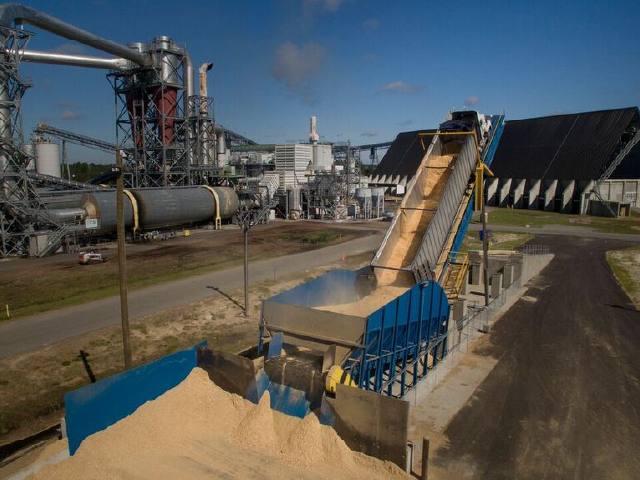
Grain unloading problems usually show up in the same places - at harvest peaks, in wet conditions, during driver shortages, or when a facility tries to move more volume through a layout that was never designed for current demand. That is why choosing the best unloading systems for grain is not just an equipment decision. It is a throughput, labor, safety, and uptime decision that affects the entire operation.
For most commercial grain facilities, there is no single universal answer. The right system depends on how grain arrives, how quickly it must be turned, the type of trailers in the fleet mix, dust control requirements, available pit space, and whether the material flows freely or tends to bridge. A system that performs well for a country elevator handling standard hopper bottoms may be the wrong fit for a processor receiving high volumes from live-bottom trailers, end dumps, or mixed commodity transport.
What defines the best unloading systems for grain
The best grain unloading system is the one that matches the receiving profile of the site while maintaining safe, repeatable performance under heavy use. In practice, that means looking beyond rated capacity alone. A high-capacity pit does not solve much if trucks queue for too long, if drivers need extra positioning time, or if cleanup and maintenance eat into operating hours.
Facility managers usually evaluate five factors at the same time. The first is throughput - both peak hourly unloading and practical day-long capacity. The second is trailer compatibility, because a single receiving point may need to handle hopper-bottom trailers, belt trailers, walking floors, straight trucks, or dump-style units. The third is site geometry, including grade changes, turning radius, and available foundation area. The fourth is housekeeping and dust control. The fifth is long-term reliability, especially when harvest season compresses months of wear into a short window.
A well-designed system should also reduce dependence on manual intervention. If operators are climbing on equipment, repositioning loads repeatedly, or clearing material by hand, the system may be moving grain, but it is not doing so efficiently or safely.
Pit unloading systems for grain receiving
For many facilities, below-grade receiving pits remain the standard starting point. They are familiar, relatively straightforward to integrate into conveying systems, and effective for hopper-bottom trailers and gravity-assisted discharge. When site conditions allow, a pit-based setup can deliver consistent receiving rates with a simple traffic pattern.
The strength of a pit system is continuous flow. Drivers position over the grate, open the gates, and let the product feed into downstream conveyors or drag systems. With the right grate design, pit dimensions, and conveyor sizing, this approach can support high daily volume with minimal mechanical complexity at the unloading point.
The trade-off is that pit systems are highly dependent on trailer type and site construction. They require excavation, drainage planning, and careful structural design. In areas with water table concerns, frost issues, or poor existing yard conditions, installation costs can rise quickly. Pits also need regular maintenance because fines, debris, and moisture can create wear and housekeeping challenges over time.
For operations receiving mostly standard grain trailers with gravity discharge, pits are often still one of the most efficient choices. For facilities with mixed inbound equipment or limited civil construction flexibility, other systems may offer better overall value.
Truck dumpers and trailer tippers for grain
Hydraulic truck dumpers and trailer tippers are often the strongest option when unloading speed, labor reduction, and trailer flexibility matter more than keeping the truck level during discharge. These systems elevate the truck or trailer to promote fast, controlled material flow into a hopper or receiving area.
In grain applications, dumpers are especially useful when facilities need to move large volumes quickly, reduce driver handling time, or accommodate trailers that do not unload efficiently by gravity into a pit alone. They can also help when material conditions are inconsistent. Grain that has picked up moisture, compacted in transit, or shifted unevenly may not discharge cleanly without assisted elevation.
A key advantage is cycle-time efficiency. Instead of relying on ideal trailer positioning and gate flow, the dumper creates the unloading angle mechanically. That can shorten unload times and reduce the variability that causes bottlenecks during busy receiving periods. It also helps improve site safety by keeping the unloading process controlled and equipment-based rather than labor-based.
That said, not every dumper configuration fits every grain site. The equipment must be engineered for the gross vehicle weights, trailer lengths, axle arrangements, and discharge characteristics involved. Foundation design, hopper sizing, and hydraulic system performance all matter. A light-duty or generic design can become a maintenance problem quickly in high-cycle industrial use.
For operations handling grain in demanding commercial environments, a heavy-duty dumper or tilter can be a better long-term solution than trying to force more volume through a pit layout that has already reached its practical limit.
Belt conveyors and live-bottom receiving
Some grain operations rely on belt trailers or live-bottom units for load control and flexibility. In those cases, the best unloading systems for grain may center on above-ground receiving hoppers paired with belt conveyor transfer rather than deep pits or full dump systems.
This approach can work well where operators want to limit excavation, simplify cleanup access, or handle a broader mix of materials beyond grain alone. Because the trailer unloads itself, the receiving system can often be designed with less vertical civil work. Above-ground hoppers also make inspection and maintenance more accessible.
The limitation is speed relative to a well-sized dumper or gravity pit under ideal conditions. Live-bottom unloading can be slower, and receiving capacity depends heavily on trailer discharge rate and driver consistency. If the business model requires rapid truck turnaround during compressed seasonal windows, a self-unloading trailer strategy may not deliver the desired throughput unless multiple lanes or receiving points are available.
Still, for processors or industrial facilities with mixed products and constrained sites, this can be a practical and durable solution.
Mobile and semi-portable unloading equipment
Not every grain handling operation justifies permanent civil-intensive infrastructure. Temporary receiving points, satellite storage locations, and seasonal expansion needs may call for mobile or semi-portable unloading systems. These setups can be valuable where traffic patterns change, leased sites are involved, or future plant modifications are likely.
The advantage is flexibility. A semi-portable hopper or unloading platform can create receiving capacity without the commitment of a large permanent installation. It can also support phased expansion, allowing an operation to add throughput while a longer-term site plan is still being developed.
The trade-off is that portable systems typically require more deliberate integration with traffic control, material transfer, and weather protection. They can perform very well when properly engineered, but they should not be treated as a shortcut. Structural durability, loading impact, and conveyor compatibility still need the same level of attention as fixed equipment.
How to choose the right grain unloading system
The fastest way to choose the wrong system is to start with equipment type before defining the unloading problem. Grain facilities get better results when they begin with receiving data: inbound truck counts, trailer mix, target unload time, commodity types, moisture variability, operating hours, and expansion plans.
From there, the decision usually narrows. If the site receives mostly hopper-bottom grain trailers and has suitable civil conditions, a pit may remain the most efficient answer. If turnaround speed is critical and inbound vehicles vary in discharge behavior, a hydraulic dumper or trailer tilter often makes more sense. If the yard cannot support major excavation, above-ground hopper and conveyor configurations may be more practical. If the operation is seasonal or site flexibility is essential, semi-portable equipment deserves serious consideration.
It is also worth evaluating maintenance realities early. Bearings, hydraulics, grating, wear liners, cylinder duty cycles, access points, and cleanup requirements affect total operating cost more than many buyers expect. Equipment that looks economical on paper can become expensive if it creates recurring downtime during harvest.
This is where application-specific engineering matters. American International Inc builds unloading systems for heavy-duty bulk material environments where standard equipment often falls short. In grain handling, that same engineering approach helps buyers match the unloading method to real operating conditions rather than forcing a generic design into a demanding site.
Matching system design to long-term plant performance
The best unloading systems for grain are rarely the cheapest to install and rarely the most complex by default. The right choice is the system that protects flow, supports safe operation, and holds up under repeated daily cycles without turning maintenance into a second job.
For plant managers and engineers, the real question is not which unloading system is most common. It is which system keeps trucks moving, protects workers, and fits the way your facility actually receives grain. When the design matches the operation, unloading becomes predictable - and predictable systems are what keep industrial facilities productive when volume is high and margins are tight.

