


Industrial Unloading Hopper Systems Guide
June 7, 2026
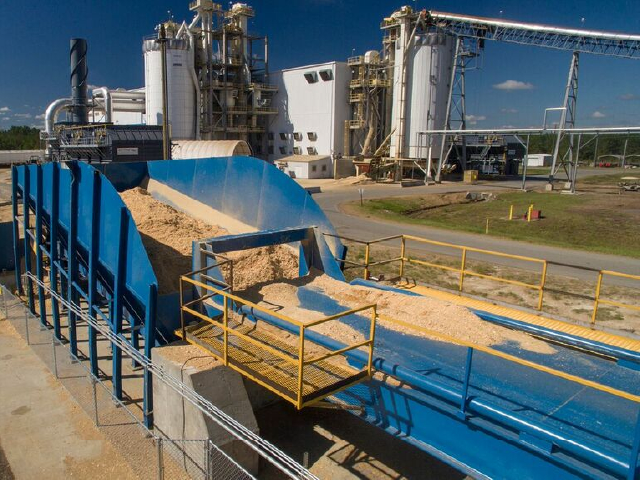
When a truck backs into position and the load does not flow as expected, the hopper becomes the point where production either keeps moving or starts losing time. Industrial unloading hopper systems are built for that exact moment. They are not just collection points under a dumper or tipper. They are engineered transfer systems that control flow, contain impact, protect downstream equipment, and support safe unloading across demanding bulk material applications.
For operations handling wood waste, recyclables, aggregates, agricultural products, scrap, sludge, or other irregular bulk materials, hopper design has a direct effect on throughput and maintenance. A hopper that is undersized, poorly lined, or mismatched to the material can create bridging, spillage, wear problems, and repeated operator intervention. A properly engineered system does the opposite. It stabilizes the unloading process and gives the rest of the line a better chance to run consistently.
What industrial unloading hopper systems actually do
In heavy-duty applications, the hopper is part of a larger unloading sequence. Material is discharged from a truck dumper, trailer tipper, container tipper, or similar machine into a receiving hopper. From there, the hopper directs material to a conveyor, screw feeder, live floor, drag chain conveyor, or another downstream handling system.
That sounds straightforward, but the real work happens in the details. The hopper has to absorb impact from large volumes of material delivered in short cycles. It has to manage inconsistent particle size, moisture content, and bulk density. It also has to account for how the material behaves when dropped from height, including whether it packs, bounces, clings, or segregates.
This is why industrial unloading hopper systems should be evaluated as engineered equipment rather than fabricated bins. Geometry, structural reinforcement, discharge design, liner selection, support framing, and access provisions all affect long-term performance.
Why hopper design is rarely one-size-fits-all
Bulk materials do not behave the same way, even when they look similar on paper. One wood waste stream may contain fines, bark, and green material with high moisture. Another may include long stringy pieces that interlock. Recycled commodities can arrive mixed, contaminated, or compacted. Agricultural byproducts may flow freely one month and cake the next depending on weather and storage conditions.
That variability is why the best industrial unloading hopper systems are designed around the application, not just the footprint. A hopper for dry aggregate may prioritize abrasion resistance and high-capacity discharge. A hopper for municipal solid waste or mixed recyclables may need wider receiving dimensions, anti-bridging features, and a feeder arrangement that handles irregular objects without plugging. A system receiving sludge cake or wet organics may need steeper walls, specialized liners, and washdown considerations.
Facility constraints matter just as much as the material. Some plants have limited truck maneuvering space. Others need below-grade receiving, elevated support structures, weather protection, odor control, or integration with existing conveyors. In retrofit work, the hopper often has to fit around structural steel, traffic patterns, and legacy equipment that was not designed with the current throughput in mind.
Key design factors in industrial unloading hopper systems
Capacity is the first question most buyers ask, but it should not be the only one. Hopper volume has to match the unloading cycle, the delivery rate from the tipping equipment, and the pull-away rate of the downstream system. If the hopper fills faster than the feeder or conveyor can clear it, the system backs up. If it is oversized without proper discharge control, material can compact or dead-zone in the lower section.
Wall angles are another critical factor. Steeper is not always better, but shallow walls can create hang-up points, especially with damp or fibrous material. The right angle depends on flow characteristics, not a standard drawing.
Discharge opening size and feeder interface also require close attention. A narrow opening may improve metering for some materials, but it can also increase bridging risk. A wider opening may improve flow while placing more demand on the feeder and support structure. The hopper and discharge equipment have to be designed together.
Wear protection is often underestimated during initial specification. High-impact receiving zones and abrasion areas should be built for service life, not just first cost. AR plate, replaceable liners, impact beds, and reinforced high-wear zones can significantly reduce maintenance frequency in aggressive applications.
Access and cleanout provisions deserve the same level of planning. Industrial buyers know that every unloading system eventually needs inspection, liner replacement, housekeeping, or jam removal. Safe access platforms, service doors, and maintenance clearance are not extras. They are part of practical ownership.
Matching the hopper to the unloading method
The unloading equipment above the hopper influences the hopper design below it. A hydraulic truck dumper may deliver a fast, concentrated surge of material. A trailer tipper can generate a different discharge arc and impact zone depending on trailer length and material condition. Container tippers may produce batch unloading with changing load centers and varied drop patterns.
Because of that, hopper width, length, side wall height, and impact structure should be based on the dumping geometry. It is not enough to know what material is being handled. Engineers also need to know how the material enters the hopper and how often that cycle repeats.
In some facilities, the hopper is expected to act as a surge buffer between intermittent truck arrivals and steady downstream processing. In others, the goal is quick transfer with minimal residence time. Those are different operating models, and they usually lead to different hopper configurations.
Safety is part of system performance
In bulk unloading environments, safety and productivity are tied together. A hopper that spills material onto traffic lanes, requires manual bar work to clear blockages, or exposes personnel to moving equipment creates operational risk along with downtime.
Well-designed industrial unloading hopper systems reduce those exposures by improving containment and controlled flow. This can include full receiving skirts, grating where appropriate, guarding around moving components, interlocked access points, and layouts that keep operators out of the discharge zone.
There is also a structural safety side to consider. Hoppers must be designed for impact loading, not just static weight. Material hits hard during unloading, especially when loads contain oversized pieces or dense wet mass. The support frame, weldments, mounting points, and discharge transitions all need to be engineered for real operating conditions.
Standard equipment versus custom-engineered systems
There are cases where a standard hopper design is appropriate. If the material is predictable, the throughput is moderate, and the facility layout is straightforward, a proven standard configuration can shorten lead times and control cost.
But many industrial operations do not fit that profile. High-tonnage service, unusual material behavior, limited site access, extreme wear, or integration with existing equipment often push the project into custom territory. That is usually the right decision when the cost of plugging, structural fatigue, spillage, or chronic downtime would quickly exceed the savings of a generic unit.
Custom does not have to mean overcomplicated. It means the hopper is built around actual operating conditions. That may involve heavier plate, different wall geometry, a specialized discharge throat, bolt-in liners, a different support arrangement, or coordination with a dumper and feeder package. American International Inc works in that space where standard heavy-duty equipment and application-specific engineering need to come together.
What buyers should clarify before specifying a system
The strongest hopper projects start with accurate operating data. Material description should include size range, moisture, density, abrasiveness, and any history of bridging or buildup. Buyers should also define the unloading source, expected cycle rate, peak volume, and the downstream equipment receiving the discharge.
Site conditions are just as important. Grade level, pit depth, truck approach, utility routing, weather exposure, and maintenance access all influence the design. If the system is replacing an existing hopper, the reasons for the replacement should be documented clearly. Premature wear, poor flow, difficult cleanout, and feeder overload each point to different design corrections.
This upfront definition helps avoid a common problem in capital equipment purchasing: specifying only dimensions instead of specifying performance. Two hoppers may have the same opening size and cubic capacity while delivering very different results in service.
The long view on ownership
For industrial operators, hopper value is measured over years of service, not at delivery. The right system supports higher uptime, fewer cleanouts, better feeder performance, and less structural or wear-related repair. It also gives maintenance teams a piece of equipment they can inspect and service without fighting the design.
That is why industrial unloading hopper systems should be selected with the full operating environment in mind. The hopper sits at a critical transition point between transport and processing. If it is designed correctly, the rest of the material handling line has a stronger foundation to perform as intended.
The most useful question is not simply, "How big should the hopper be?" It is, "What kind of unloading conditions does this hopper need to survive every day?" Start there, and the right design decisions become much clearer.

